Why Is Your Ballina Home Leaking? Top 5 Common Causes
@waylonlluv711
November 16, 2026 · 4 min read
Ballina's idyllic coastal location on the Northern Rivers comes with significant climatic challenges for homeowners. With high annual rainfall, severe subtropical storms, and constant exposure to salt air from the Pacific Ocean, local properties are uniquely vulnerable to water ingress. Left unaddressed, a minor water leak can quickly escalate into structural timber rot, electrical hazards, and hazardous black mould growth.
Identifying the root cause of moisture penetration is the first step toward safeguarding your investment. Understanding the most frequent culprits behind domestic leaks in Ballina can help you take fast, decisive action before costly damage occurs.
Top 5 Causes of Home Leaks in Ballina
1. Salt Corrosion and Roof Fastener Failure
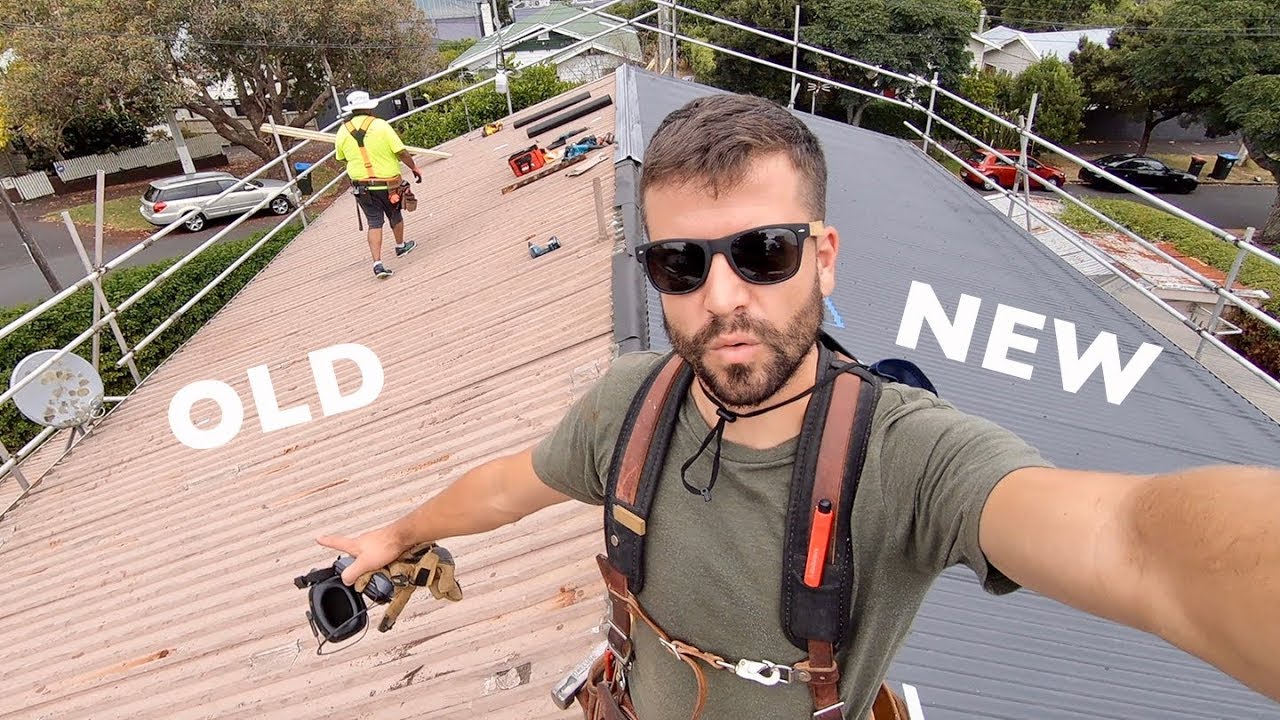
Coastal atmospheric conditions accelerate the degradation of metal roofing components. In Ballina, salt-laden sea breezes compromise metal roof screws, neoprene washers, and protective coatings far faster than in inland areas. As these washers dry out, crack, or corrode, they leave microscopic gaps around screw holes. During high-wind rain events, water is driven directly beneath the metal sheeting and into the ceiling cavity.
2. Overflowing and Debris-Choked Gutters
The Northern Rivers region regularly experiences intense rainfall bursts capable of overwhelming standard https://reidivxv856.pinehavenscope.com/posts/innovative-roofing-materials-revolutionizing-design-in-2026 domestic roof drainage. When gutters and downpipes are congested with leaf debris from coastal trees, rainwater has nowhere to flow. The pooled water backs up under roof eaves and penetrates the fascia boards and internal wall cavities. Properties with internal box gutters are particularly susceptible to sudden, catastrophic internal flooding if overflow release points become obstructed.
3. Failed Waterproofing Membranes in Wet Areas
Internal leaks frequently originate within bathrooms, laundries, and second-storey balconies. Many homes built or renovated across Ballina in past decades feature waterproofing membranes that have reached the end of their operational lifespan. Natural ground movement—common across low-lying coastal plains and river alluvial soils—can cause subtle structural shifts that tear brittle waterproofing barriers, allowing water to seep through grout lines and pool beneath floor tiles.


4. Compromised Window and Sliding Door Flashing
Horizontal, wind-driven rain is a hallmark of East Coast Lows that batter Ballina's coastline. Standard weather seals, silicone caulking, and perimeter flashings degrade rapidly under intense ultraviolet (UV) radiation and marine exposure. Once these seals shrink or pull away from brickwork and cladding, driven rain bypasses the exterior barrier, leading to water stains around window sills, damp gyprock, and swollen skirting boards.
5. High-Pressure Concealed Plumbing Ruptures
Not all leaks originate from above. Pressurised water supply lines hidden within wall cavities, under concrete slabs, or beneath subfloors can develop pinhole leaks over time. These leaks are often caused by chemical reactions between copper piping and acidic soil, vibrations against framing timber, or water hammer issues. Because these pipes are hidden from view, they can leak silently for months before surface damage becomes apparent.
Tell-Tale Indicators of an Active Leak
Detecting a leak early prevents extensive structural degradation and expensive remediation work. Watch for these primary warning signs inside your property:
- Discoloured ceiling patches: Brown, yellow, or dark rings forming on plasterboard ceilings or upper walls.
- Persistent musty odours: A damp, stale smell indicating mould colonisation inside wall cavities or under flooring.
- Bubbling or peeling paint: Paint surfaces blistering, flaking, or lifting away from moisture-saturated drywall.
- Unexplained water meter movement: The numbers on your water meter turning while all taps, appliances, and fixtures are switched off.
Preventative Maintenance for Ballina Homeowners
A proactive maintenance strategy protects your home against the harsh elements typical of the Northern NSW coastline. Engaging qualified local specialists ensures your property meets current building standards and withstands regional weather patterns.
- Schedule biannual roof inspections: Have a licensed professional assess ridge capping, flashings, valley irons, and roof screws before the summer storm season arrives.
- Clear gutter networks regularly: Install quality gutter guards and clear downpipes to ensure unhindered discharge during peak rain events.
- Reseal exterior joints: Inspect and replace deteriorated silicone around external door frames, windows, and balcony edges every three to five years.
- Utilise non-invasive acoustic or thermal leak detection: If you suspect an internal pipe leak, use modern diagnostic services to locate the problem without breaking into walls or flooring unnecessarily.
Addressing moisture issues promptly preserves the structural integrity, indoor air quality, and long-term resale value of your Ballina home. When dealing with water penetration, swift professional intervention remains the most reliable safeguard against catastrophic structural damage.
Ballina Roof Restoration & Repair